


Merge Designer - Decor & Story
4.6972.00 Reviews
App Specs
- Version
- Varies with Device
- Updated On
- License
- Free
- Downloads
- 1,000,000+
- Developer
- NO.7 games
- Categories
- Puzzle
- Platform
- Android
Screenshots

 Analysis by AppCompare
For me, the first question with a merge-and-decorate game is whether its two halves genuinely support each other. In Merge Designer - Decor & Story, combining items supplies the materials for home-design tasks, so the puzzle board gives the decorating a reason to happen. That makes it a natural fit for short sessions when I want a small goal and a visual change to work toward, rather than a puzzle with no broader context.
Readability, navigation, and the first steps
The moment I launched Merge Designer - Decor & Story, I was greeted with vibrant graphics and a welcoming interface. The game kicks off with a short storyline introducing you to your character, a passionate designer on a mission to transform homes. The narrative isn’t just a backdrop; it’s woven into the gameplay, giving every task a purpose. The tutorial was intuitive, easing me into the merging mechanics without any fuss.
That guided start matters for people who are new to merge puzzles: the basic aim is to combine similar objects, and the tutorial helps make that interaction understandable before the game asks you to manage more involved tasks. I’d still recommend taking a moment to read each objective rather than tapping through automatically. In a game where a requested item can depend on merging several objects, knowing what you are working toward helps avoid spending board space on combinations that do not move the current task along.
The presentation is colorful, which suits a game about furnishing rooms, but visual richness can also make it harder to pick out a target at a glance. I found it useful to focus on the task and the objects connected to it instead of scanning every decorative detail on the screen. That small habit is especially helpful when I’m playing in a hurry or when the display is not being viewed in ideal lighting.
The Art of Merging
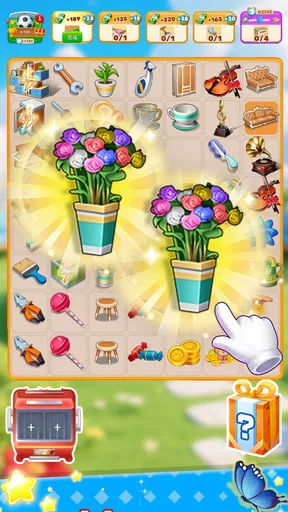
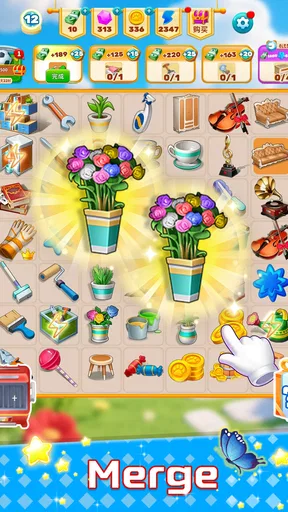
At the core of the game lies the merging mechanic. You combine similar items to create higher-level objects. Think of it as a match-three game but with a twist. I found myself constantly strategizing on which items to merge to maximize my resources. It’s not just about merging randomly; there’s a method to the madness, which keeps the gameplay engaging.
The game challenges you with various design tasks, each requiring specific items. The more you merge, the more elaborate your inventory becomes, allowing for more intricate designs. It’s a satisfying loop that kept me hooked for hours.
There is a practical trade-off here: merging is satisfying, but each decision can shape what remains available to work with. I’d use the task as a planning anchor, then make combinations that contribute toward it instead of treating every matching pair as an automatic tap. That approach makes the board feel less like a pile of tempting distractions and more like a small resource puzzle.
Worth Reading Before You Choose

EA SPORTS FC Mobile 26 Is a Bigger Football Game, but It Takes Time

Flipboard Shows What News Apps Must Do Beyond the Feed

Switching to Android Auto Means Rethinking Your Driving Routine

Google Calendar Makes a Crowded Week Easier to Manage

Ludo King Makes the Most of the Minutes Between Plans

Baby Panda World Brings Quick Play to Modern Phones, but Its Game Library Feels Busy
This is also where the game differs from a conventional match-three title. Rather than clearing a board through quick matching alone, the merge loop is tied to collecting objects for design goals. If I want a fast, self-contained puzzle round with no ongoing inventory decisions, a classic match-three game may suit me better. If I enjoy watching a chain of combinations gradually support a room makeover, this structure has more of a sense of progress.
A Designer’s Dream
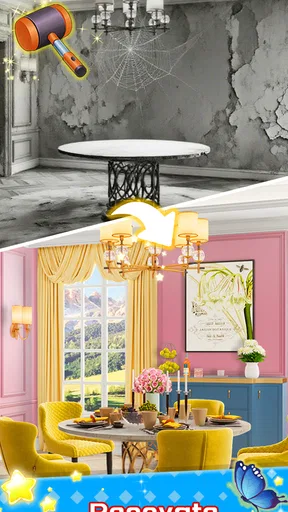
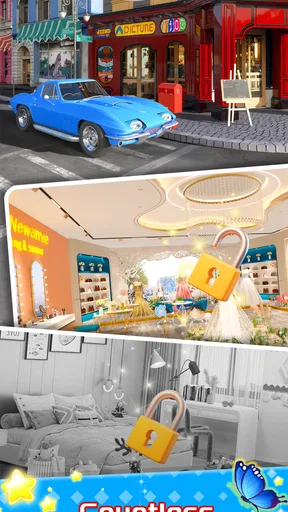
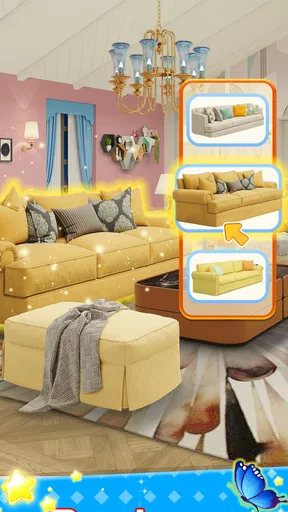
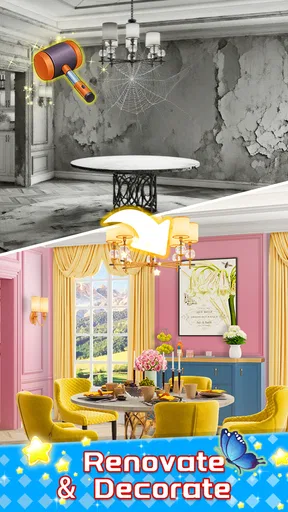
Beyond the puzzles, the design aspect is where Merge Designer truly shines. Once you gather the necessary items through merging, you can start decorating rooms. The game offers a plethora of choices, from chic furniture to cozy decor items. I loved the freedom to express my style, whether I was going for a minimalist look or a luxurious setting.
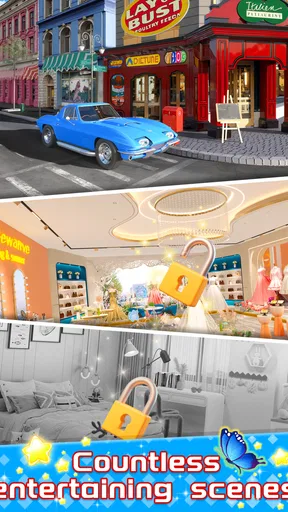
The visuals are stunning, with each piece of furniture and decor item crafted with attention to detail. The game’s aesthetic is both modern and inviting, making the design process enjoyable.
The decorating phase gives the puzzle work a visible payoff: instead of seeing only a completed objective, I get to see the setting change. For players who like interior-design games but find open-ended decorating menus overwhelming, having tasks shape the route into a room can be a useful middle ground. The creative choice is still part of the appeal, while the merge activity gives the session a clear next step.
One way I’d make the most of that structure is to treat each room task as a small project. I’d check what it asks for, work toward those items, and save the decorating decision for a moment when I can pause and look at the available choices. That separates the resource puzzle from the visual decision, rather than making both feel like one long stream of taps.
Storyline and Characters
The storyline is engaging, with quirky characters and unexpected twists. Each character has a unique personality, adding depth to the narrative. I found myself invested in their stories, eager to see how my design choices influenced their lives. The dialogue is witty and light-hearted, making the interactions a joy to read.
The story gives the home projects a human frame, which is a pleasant contrast with puzzle games that focus only on scores or board-clearing. It also makes the experience more suited to someone who likes a light narrative alongside a task, rather than someone seeking a deep, branching role-playing story. I’d approach the dialogue as part of the game’s relaxed tone, not as the main reason to play.
Challenges and Rewards
Merge Designer isn’t just about merging and designing; it’s about overcoming challenges. The game throws various obstacles your way, like limited space and tricky tasks, keeping the gameplay from getting stale. However, overcoming these challenges is immensely rewarding, both in terms of game progression and personal satisfaction.
Rewards come in the form of new items, currencies, and sometimes special surprises that aid in your design journey. It’s an effective system that keeps you motivated to continue playing.
Limited space is a meaningful friction point, not just a difficulty label: it asks me to think about what to keep within reach and what to combine toward an objective. When the board begins to feel crowded, I’d stop and reassess the task before making more merges. Continuing to combine items without a plan can create more clutter and make the next useful move less obvious.
Progression rewards can make another session appealing, but I would not treat every available reward or purchase prompt as a reason to spend. The game is free to start, while optional in-app purchases range from $0.99 to $99.99 per item. That is a wide spread, so I’d decide in advance whether I’m comfortable paying for optional content and keep the game’s ordinary pace as the baseline. Players who dislike in-app purchase offers should be cautious, while anyone content to play without buying can try the core experience first.
Who it suits, and where it can be harder to play
I’d judge the fit by more than whether the merge loop is enjoyable: the game also asks me to keep track of objects and make repeated touch selections. A short first session is a practical way to see whether that feels comfortable in your usual setting, then the next section looks at how those demands can vary with motor and sensory needs.
Motor and sensory considerations
The central interaction is based on combining objects and selecting design choices, so the appeal depends on being comfortable with repeated touch input and visually tracking items. I would not assume that this is effortless for every player: limited board space and small, similar-looking objects can make precise selection or quick visual scanning more demanding. Taking the game at a measured pace, rather than trying to rush through merges, is the sensible way to approach it.
The bright art gives rooms personality, but anyone who is sensitive to busy screens may prefer brief sessions and a comfortable display setting. Likewise, the story dialogue is part of the experience; players who want a purely silent, uninterrupted puzzle routine may prefer a simpler alternative. These are practical fit considerations, not claims about special accessibility options.
Situational access and everyday use
I can see this working well as a relaxed break at home: for example, I might open it after dinner, complete a manageable design objective, and stop once I have made progress rather than trying to clear everything in one sitting. The merging loop gives that short session a purpose, while the room design offers a satisfying point to return to later. It is less ideal when I need a game that can be played entirely by feel while my attention is elsewhere, because the board and the requested items reward looking carefully.
For a commute or a waiting room, the choice depends on the setting. If I can give the screen my attention, the task-based structure can make a few minutes feel worthwhile. If I’m standing, frequently interrupted, or trying to keep my eyes on my surroundings, I’d choose a simpler game that is easier to put down immediately. That distinction is useful: Merge Designer can fit into spare time, but it is not automatically a good match for every kind of spare time.
Who should choose it—and who should pass
I’d recommend it to players who enjoy combining objects, seeing a room change as a result, and following light character stories. It is also a reasonable starting point for someone curious about merge games, since the tutorial introduces the basic mechanic and the design tasks give it a clear purpose. The game is free, rated for Everyone, and developed by NO.7 games; its average rating is 4.6 from around 34,000 ratings, with more than 1 million installs. Those figures suggest a substantial audience, but the best test is still whether the merge-and-decorate rhythm suits you.
I’d steer away from it if you mainly want open-ended interior design without resource gathering, a fast competitive puzzle, or a deep narrative with extensive character choices. A dedicated decorating game is a better fit for someone who wants to focus almost entirely on room styling. A conventional match-three game is a better fit for quick board-clearing. Merge Designer sits between those options, and its strength is that the merging and makeover goals feed into each other.
Final Thoughts
Overall, Merge Designer - Decor & Story is a delightful escape into the world of design and puzzles. It’s a game that balances creativity with strategy, offering a fulfilling experience whether you’re a casual gamer or a design enthusiast. The combination of an engaging storyline, charming characters, and addictive gameplay makes it a must-try for anyone looking to unleash their inner designer.
If you’re ready to embark on a design adventure filled with creativity and fun challenges, give Merge Designer a try. It’s more than just a game; it’s a journey of creativity and imagination.
My inclusive verdict is positive but specific: the clear tutorial, visual room rewards, and gentle narrative make the game approachable for many players, while the board-management and repeated touch interactions may be tiring or awkward in some circumstances. I would start with a short session and see whether the objects are comfortable to follow and the task rhythm feels enjoyable. If they do, the game offers a distinctive blend of planning and decorating; if they do not, a less visually busy puzzle or a more direct design app is likely to be a better everyday choice.
Pros
- Engaging storyline keeps users hooked.
- Wide variety of design options available.
- Intuitive and user-friendly interface.
- Regular updates with new levels and items.
- Offline play mode for on-the-go access.
Cons
- In-app purchases can be expensive.
- Energy system limits playtime.
- Occasional ads interrupt gameplay.
- Loading times can be lengthy.
- Some items take too long to merge.
FAQs for Merge Designer - Decor & Story
What is the main objective of Merge Designer - Decor & Story?
Merge Designer - Decor & Story is a captivating game where players merge items to create new ones, helping them design and decorate various rooms. The main objective is to complete design tasks and renovate spaces while following an engaging storyline involving different characters and their unique stories.
Is Merge Designer - Decor & Story free to play?
Yes, Merge Designer - Decor & Story is free to download and play. However, it offers in-app purchases for players who wish to enhance their gaming experience by buying additional items, currency, or boosters. These purchases are optional and not necessary to progress in the game.
What type of gameplay can I expect from Merge Designer - Decor & Story?
The game combines merge mechanics with interior design challenges. Players merge items to discover new tools and decorations, which are then used to complete design projects. The gameplay is casual and relaxing, suitable for players who enjoy creative problem-solving and design challenges.
Are there any social features in Merge Designer - Decor & Story?
While the game primarily focuses on single-player experiences, it does offer some social features. Players can connect with friends, share their designs, and even participate in limited-time events. However, these features are secondary to the core gameplay experience.
What are the system requirements for Merge Designer - Decor & Story?
Merge Designer - Decor & Story is available for both Android and iOS devices. It requires Android version 5.0 or later and iOS version 10.0 or later. The game is optimized for both smartphones and tablets, ensuring a smooth experience across different devices.


